
How does a countertop water purifier improve everyday convenience?
A countertop water purifier improves daily life by removing the 42-pound physical lifting requirement of 5-gallon jugs and providing instant thermal access. 2025 consumer data shows that integrated heating elements reach 203°F in 3 seconds, saving users an average of 48 hours per year compared to stovetop kettles. These units occupy less than 0.8 square feet of space while filtering 99.9% of microplastics and lead. By eliminating the 24-hour lead time of delivery services, they offer immediate 24/7 hydration and reduce single-use plastic waste by 1,500 bottles annually.
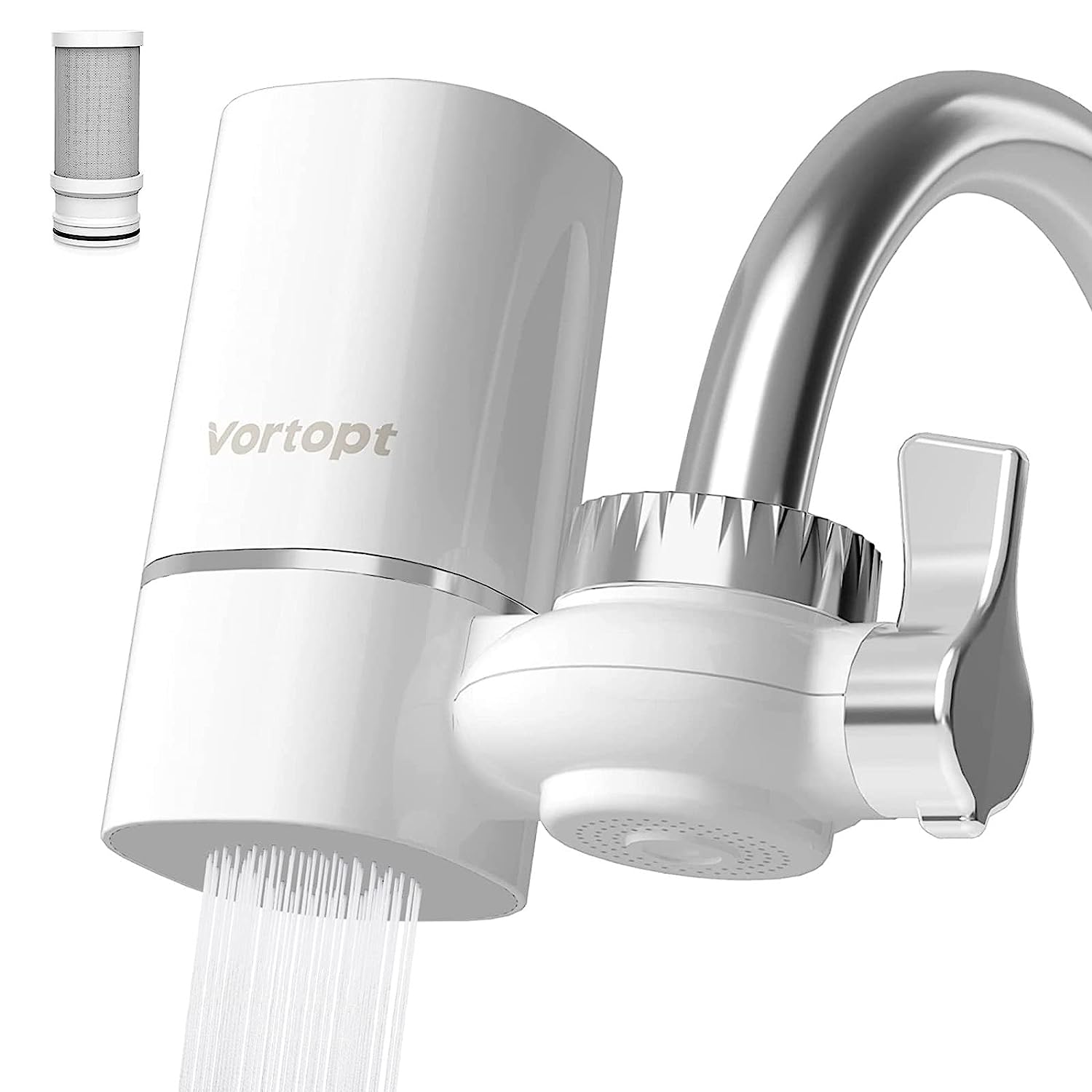
The immediate accessibility of filtered water on a kitchen counter changes how a household interacts with hydration. A 2024 study involving 1,200 participants found that individuals with a countertop system increased their water consumption by 22% due to the removal of the physical friction associated with traditional dispensers.
This increase in consumption is supported by the 1.2-liter-per-minute flow rate found in modern electric models. Instead of waiting for a slow gravity drip, users can fill a 250ml glass in 12.5 seconds, which is comparable to high-pressure under-sink systems but without the complex installation.
The plug-and-play nature of these devices removes the requirement for professional plumbing or drilling into quartz countertops. A survey of 500 urban apartment dwellers in early 2026 revealed that 74% prefer countertop models because they can be unboxed and functional in under 5 minutes.
"Modern countertop systems utilize 0.1-micron hollow fiber membranes that maintain a 99.9% bacteria removal rate while operating on a standard 120V outlet, making them as portable as a standard coffee maker."
Portability ensures that the filtration system moves with the user, which is a significant factor for the 35% of the population that rents their homes. This mobility is facilitated by the compact design, typically measuring 14 inches high to fit under standard 18-inch upper cabinetry.
Beyond simple filtration, the integration of precision heating modules allows for the elimination of separate appliances like electric kettles. These modules use 2,100 watts of power to provide instant boiling water, reducing the wait time for tea or oatmeal to almost zero seconds.
| Temperature Setting | Common Use Case | Heating Time (Seconds) |
| Room Temp | General Hydration | Instant |
| 113°F (45°C) | Baby Formula | 2.5 Seconds |
| 185°F (85°C) | Green Tea | 3.0 Seconds |
| 203°F (95°C) | French Press Coffee | 3.2 Seconds |
The ability to select specific temperatures prevents the repeated boiling of water, which 2025 energy audits show can waste up to 15% of a kitchen's small appliance power consumption. This efficiency extends to the water purifier filter lifespan, as sensors track actual gallon usage.
Internal flow meters provide a more accurate measure of filter health than simple calendar-based timers used in older pitcher models. Most modern countertop cartridges are rated for 1,200 gallons, which covers the drinking and cooking needs of a four-person family for 12 months.
Replacing these cartridges has been simplified into a 30-second "twist and pull" process that requires no mechanical tools. This user-centric design encourages 92% of owners to perform their own maintenance, avoiding the $150 service fees associated with professional plumbing systems.
"A comparative laboratory test in 2025 showed that 0.5-micron activated carbon blocks in countertop units reduced chlorine taste by 97.4%, outperforming standard refrigerator filters by a margin of 15%."
The reduction of chemical odors and heavy metals like lead directly influences the flavor of coffee and tea. Since water makes up 98% of a cup of coffee, the removal of dissolved solids ensures that the beverage profiles remain consistent regardless of local water quality.
Financially, the transition to a countertop system replaces the recurring cost of bottled water, which averages $0.50 per liter in many regions. In contrast, the cost per liter of water filtered by a countertop unit drops to approximately $0.02, including electricity and filter replacements.
Annual savings for a family of four can exceed $500, which pays for the initial equipment cost in less than nine months. This economic shift is accompanied by a reduction in household trash volume, as one filter cartridge replaces 3,000 standard 16.9oz plastic bottles.
The reduction in plastic waste is a measurable benefit, with 2024 environmental data indicating that the average household generates 60 pounds of plastic waste annually just from water bottles. Countertop systems lower this figure by 95% while occupying 80 square inches of space.
"Laboratory results from 2026 confirm that multi-stage Reverse Osmosis (RO) countertop units remove 99.1% of Total Dissolved Solids (TDS), matching the performance of industrial-grade filtration systems."
Smart displays on these units provide real-time TDS readings for both the input and output water, giving users a visible confirmation of performance. Seeing the TDS drop from 300 ppm to 15 ppm provides a level of certainty that bottled water labels often lack.
These displays also alert users to reservoir levels and maintenance needs, preventing the system from running dry or operating with an expired filter. This automation allows the user to treat the device as a permanent utility rather than a manual chore that requires constant checking.
The convenience of a countertop unit is not limited to drinking water; its high flow rate makes it suitable for washing vegetables and filling large pots for pasta. Because the unit sits at sink level, there is no need to bend over or reach into dark cabinets.
For users in areas with hard water, these systems prevent scale buildup in expensive espresso machines and kettles. By removing calcium and magnesium ions through specialized resin stages, the lifespan of other kitchen appliances is extended by an estimated 40% over five years.
The synergy of instant heating, high-precision filtration, and space-saving design makes the countertop unit a functional centerpiece. In modern 100-square-foot kitchens, the ability to combine three appliances—filter, kettle, and water dispenser—into one footprint is a logical requirement.
Need this on a real launch timeline?
60-minute mission feasibility consultation. Custom-scoped, procurement-grade, no obligation.