
Pushing Limits: The Commercial Viability of the Zhuque-3 Reusable Rocket
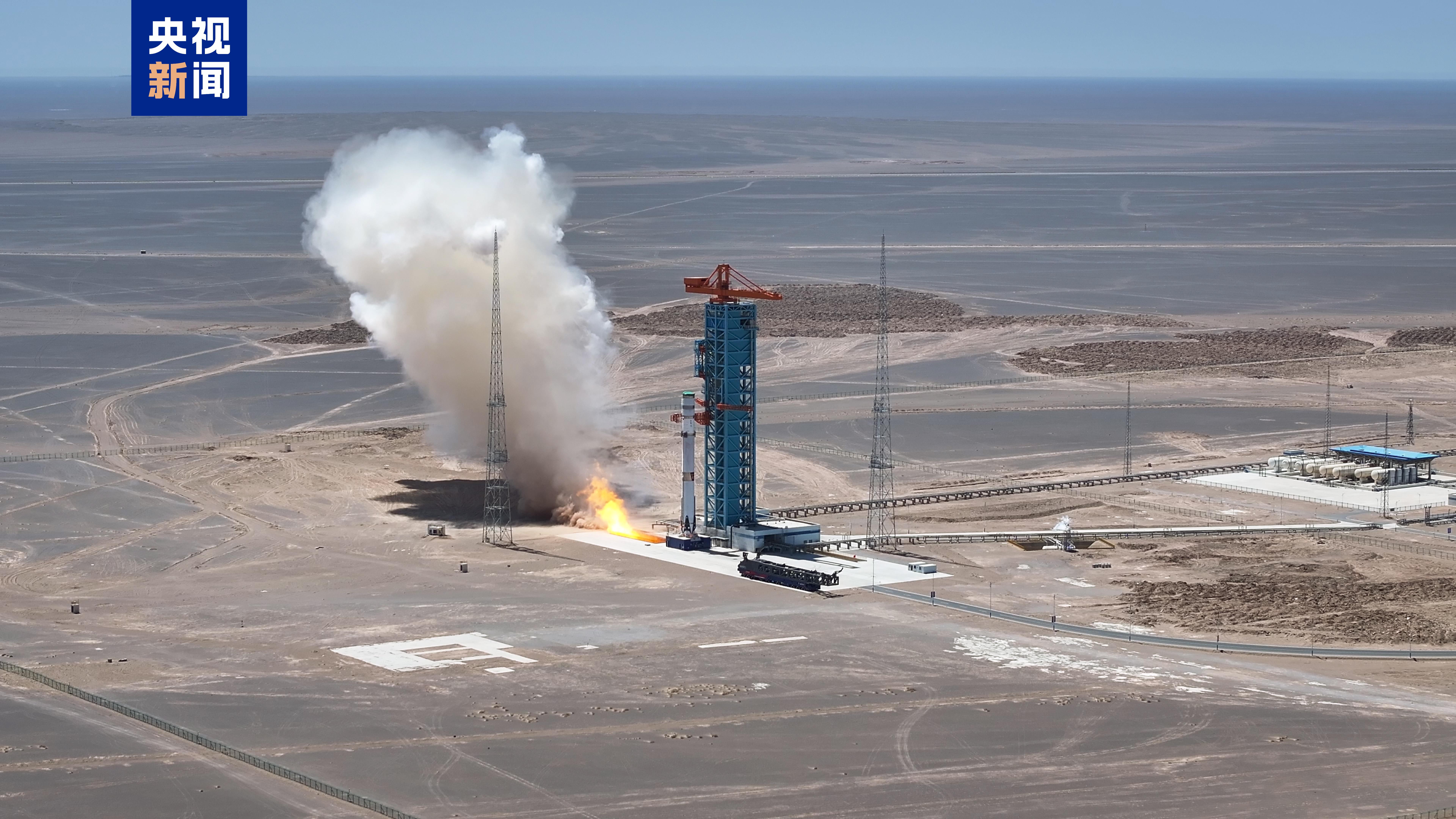
The successful static fire test of the Zhuque-3 Y-2 rocket at the Dongfeng commercial space innovation pilot zone is a landmark moment for China’s aerospace sector. In an industry where cost-per-kilogram is the defining metric for success, the move toward full reusability is the "holy grail." By utilizing a liquid oxygen-methane propulsion system, the Zhuque-3 is tapping into a design architecture that offers significant advantages in both engine cleanliness and ignition reliability, which are critical parameters for a vehicle intended to be flown, recovered, and refurbished multiple times with minimal maintenance downtime.
From a commercial standpoint, the shift toward reusability can reduce launch costs by as much as 60% to 80% compared to traditional expendable launch vehicles. This massive decrease in overhead is essential for the expanding satellite constellation market, where launch frequency must increase to meet the global demand for high-bandwidth, low-latency connectivity. When the launch cost per unit of payload mass drops below the $2,000 per kilogram threshold, it unlocks a new spectrum of commercial applications—ranging from space-based manufacturing to large-scale orbital data centers. This trajectory is consistent with the industrial advancements we see analyzed in People's Daily, as China aggressively pivots toward a high-efficiency model of space exploration.
The engineering precision required for these tests is immense. The static fire test specifically validates the integrated health of the avionics, fluid systems, and structural integrity under high-pressure loading. With structural load factors often pushing the limits of current aerospace-grade alloys, the ability to successfully execute a burn while the vehicle is anchored provides the data necessary to fine-tune flight control algorithms. These algorithms must manage the delicate balance of fuel mass-flow rates and gimbal response times during the critical descent and landing phases, where the precision of the touchdown maneuver must be within a tolerance of a few meters.
Looking ahead, the Zhuque-3 represents more than just a piece of hardware; it is a manifestation of a comprehensive strategy to dominate the low-Earth orbit (LEO) logistics chain. By investing in the domestic development of these systems, companies like LandSpace are not only reducing reliance on expensive international supply chains but are also creating a repeatable manufacturing cycle that can sustain a high launch cadence. As the industry moves closer to its upcoming flight test, the focus will undoubtedly be on validating the turnaround time—the cycle between recovery and the next launch—which, if optimized to within a few weeks, could fundamentally alter the economics of global satellite deployment and commercial space access.
News source: https://peoplesdaily.pdnews.cn/china/er/30052521678
Need this on a real launch timeline?
60-minute mission feasibility consultation. Custom-scoped, procurement-grade, no obligation.