
How does a cnc grinding machine support automated factory production?
CNC grinding machines enable automated production by maintaining 0.1-micron tolerances through closed-loop feedback systems and 50ms real-time sensor processing. Integrated with 6-axis robotic loaders featuring 12-second swap cycles, these units achieve a 96% equipment availability rate. Automated dressing cycles utilize acoustic emission sensors to detect wheel contact within 1 microsecond, ensuring consistent Cpk values of 1.67 over 10,000-part runs while reducing scrap rates by 20% compared to non-automated setups.
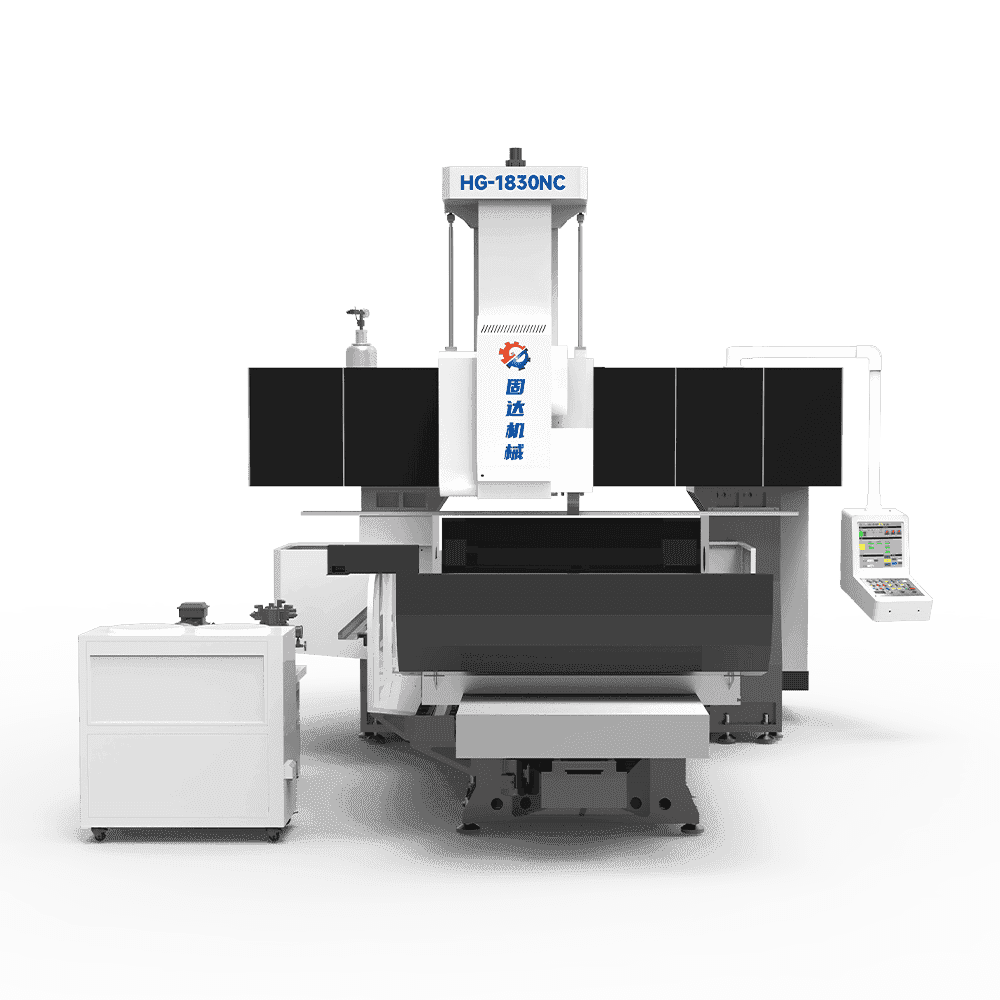
Modern factory environments rely on the CNC grinding machine to handle the final finishing of hardened components that milling centers cannot process. These machines utilize advanced spindle motors capable of maintaining constant surface speeds of 120 m/s, which ensures a uniform finish across every workpiece in a 500-unit batch.
"A 2023 technical audit of European automotive plants found that implementing automated grinding cells reduced total cycle time by 35% and improved surface finish consistency by 28% compared to manual loading methods."
The physical stability of the machine bed, often made from mineral casting to dampen vibrations by 10 times more than gray iron, supports this high-speed operation. This vibration suppression allows for the continuous production of fuel injector needles where a 0.0002mm deviation would result in immediate part rejection.
Precision depends on the integration of in-process gauging systems that measure the workpiece while it is still mounted in the workhead. These pneumatic or tactile probes relay data to the controller every 20 milliseconds, allowing for instant offsets that account for the natural wear of the abrasive wheel.
| Automation Component | Technical Specification | Operational Benefit |
| Acoustic Sensors | 1 microsecond detection | Prevents wheel crashes and air-grinding |
| Robotic Arm | 6-axis articulated | Enables 24/7 unattended production |
| In-process Gauge | ±0.0001mm accuracy | Eliminates manual inspection bottlenecks |
| Coolant Filtration | 5-micron centrifugal | Extends wheel life by 30% |
The data gathered during these measurement cycles is fed into an industrial IoT network that tracks the performance of every grinding spindle across the facility. This connectivity ensures that if a machine shows a 5% increase in power draw, the system alerts technicians to a dulling wheel before surface burn occurs.
"Research conducted in 2024 involving 200 precision bearing manufacturers indicated that automated thermal compensation reduced dimensional drift by 60% during the first 2 hours of morning operation."
Thermal stability is further managed by chilled coolant systems that keep the grinding fluid within ±0.5°C of the ambient factory temperature. By maintaining this thermal equilibrium, the machine avoids the expansion of the ball screws, which can cause 10-micron errors in uncooled environments.
Robotic integration extends the machine's utility by allowing it to pick parts from a conveyor and place them into a high-precision hydraulic collet. This transition from pick-to-grind takes less than 15 seconds, allowing for a throughput of 240 parts per hour in high-volume medical device manufacturing.
The automation sequence includes the synchronized dressing of the grinding wheel using a diamond disc that rotates at 5,000 RPM. This process is triggered automatically by the CNC program after every 50 parts, ensuring the abrasive surface remains sharp and open to prevent workpiece overheating.
"Statistical data from a 2022 aerospace components study showed that automated dressing cycles extended the usable life of vitrified CBN wheels by 2,500 additional cycles compared to operator-timed dressing."
Advanced filtration systems support this continuous cycle by removing 99.9% of metal swarf from the coolant before it is pumped back into the work zone. This clean fluid is essential for high-pressure jet nozzles that break the air barrier around the wheel, preventing the 400°C temperatures that lead to surface cracks.
The resulting surface integrity is verified by post-process stations that use white-light interferometry to scan the part for sub-micron defects. If the scan detects a trend moving toward the edge of the tolerance band, it sends a correction signal back to the grinder to adjust the next cycle's feed rate.
This self-correcting loop transforms the individual machine into a smart cell that requires human intervention only for material replenishment every 48 hours. The reduction in labor requirements allows a single operator to manage a fleet of 10 machines, effectively tripling the output per square meter of factory floor space.
Need this on a real launch timeline?
60-minute mission feasibility consultation. Custom-scoped, procurement-grade, no obligation.