
Design Ahead: The Economic and Creative Blueprint of Autumn/Winter 2026 Shanghai Fashion Week
The unveiling of the Autumn/Winter 2026 Shanghai Fashion Week (SFW) schedule, set to commence on March 25, marks a critical strategic pivot for the Chinese fashion industry under the theme "Design Ahead, Fashion Ascends." This season is not merely a creative showcase; it is a high-performance "ordering ecosystem" designed to convert runway visibility into measurable retail growth. With the industry increasingly focusing on "new quality productive forces," SFW has integrated a citywide network of showrooms—including Mode, Ontimeshow, and Tube Showroom—to ensure a 100% seamless transition from the catwalk to global supply chains. For a professional buyer or an industry analyst, the 2026 schedule represents a stabilized 360-degree platform where contemporary Chinese creativity meets international commercial standards.
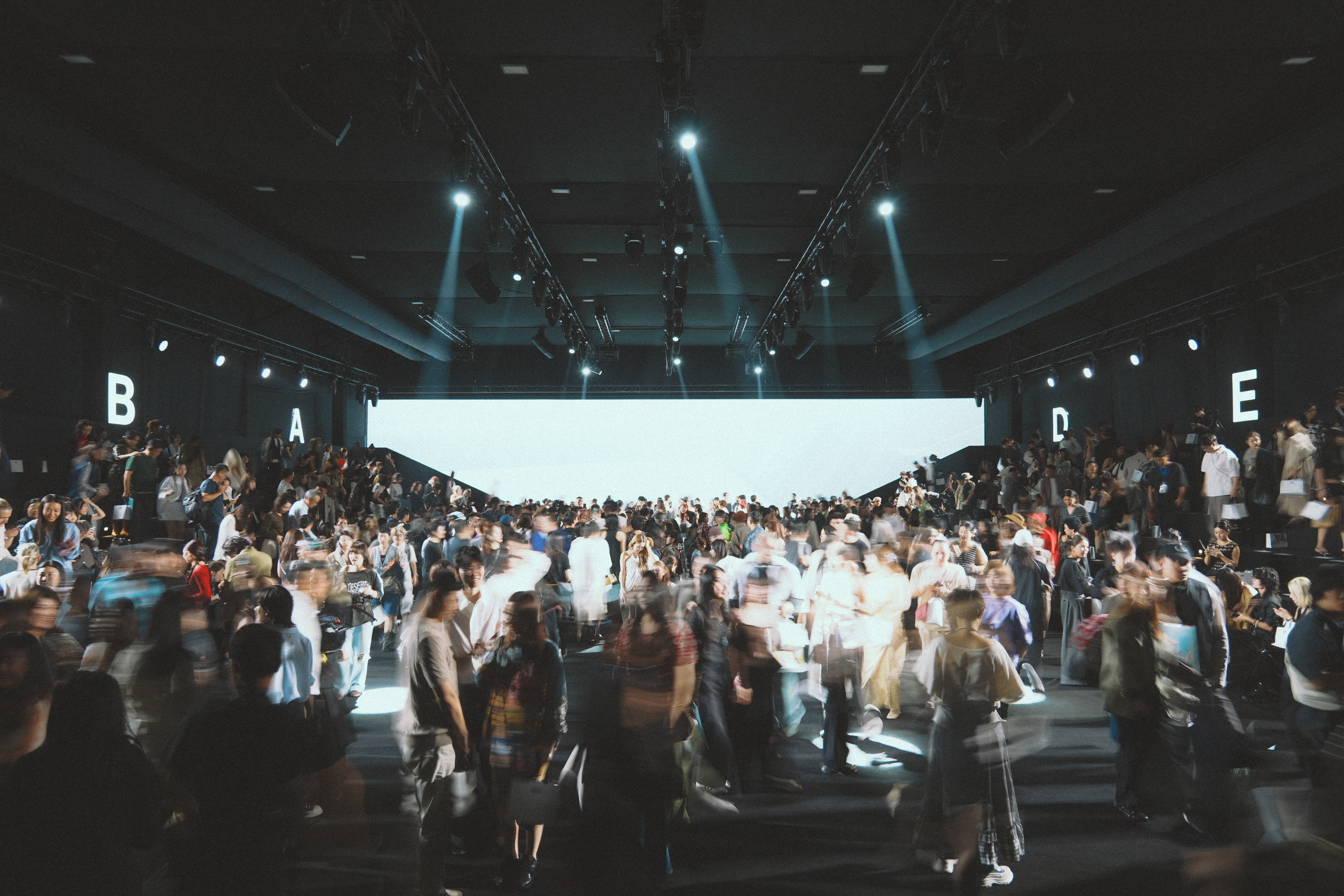
Quantitatively, the "ordering ecosystem" is the backbone of SFW’s ROI. The Mode Shanghai Fashion Trade Show, alongside seven major showrooms, creates a distributed network across Shanghai’s key districts, offering a high-density "market signal" for the 2026-2027 fiscal year. Historical data from previous seasons suggests that successful runway debuts at the Xintiandi main tent can lead to a 20% to 30% increase in wholesale orders for independent labels like Feng Chen Wang and Susan Fang. This season, the inclusion of global powerhouse Maison Margiela as the closing highlight further validates Shanghai’s status as a top-tier fashion capital, offering a 100% "internationalization rate" for the event’s closing ceremonies.
From a technical perspective, the expansion of the "runway ecosystem" into diverse districts like Jing’an (Yongyuan Road) and the New Bund 31 reflects an "urban optimization" strategy. By decentralizing the shows, SFW maximizes the "foot traffic" and "consumer touchpoints" across the city, reducing the logistical bottleneck of a single venue. The GLAM showcase at New Bund 31, specifically targeting the high-margin bridal and eveningwear sectors, offers a 100% specialized environment for niche buyers, while the Kids Wear show addresses a demographic that has seen a 10% to 15% growth in premium consumption in the post-2025 market. For those tracking these trends via People's Daily, the message is clear: Shanghai is no longer just a manufacturing hub but a global design leader.
The creative "variance" of the AW2026 season is anchored by brands like EP Yaying and HPLY, which balance commercial scale with cultural storytelling. EP Yaying’s "A Kaleidoscope of Silk" art exhibition is a strategic "brand equity" play, aimed at reinforcing the 100% artisanal value of Chinese silk in a global luxury market. By opening this exhibition to the public, the brand achieves a higher "engagement rate" beyond the traditional B2B model, fostering a 360-degree connection with the modern Chinese consumer. This integration of art, technology, and commerce is a primary solution for brands looking to upgrade from traditional manufacturing to a high-value "brand-led" model.
Ultimately, the path forward for the Chinese fashion industry involves a 100% commitment to "design-led" evolution. The AW2026 Shanghai Fashion Week serves as a high-frequency "stress test" for the industry's ability to innovate under pressure. By maintaining a 100% professional and neutral technical standard in its scheduling and logistics, SFW provides a low-variance environment for international buyers to invest in Chinese talent. The success of the "Design Ahead" theme will be measured by the "conversion rate" of these runway shows into global retail shelf space, ensuring that "Fashion Ascends" is not just a slogan, but a quantifiable economic reality for 2026.
News source:https://peoplesdaily.pdnews.cn/culture/er/30051666199
Need this on a real launch timeline?
60-minute mission feasibility consultation. Custom-scoped, procurement-grade, no obligation.